
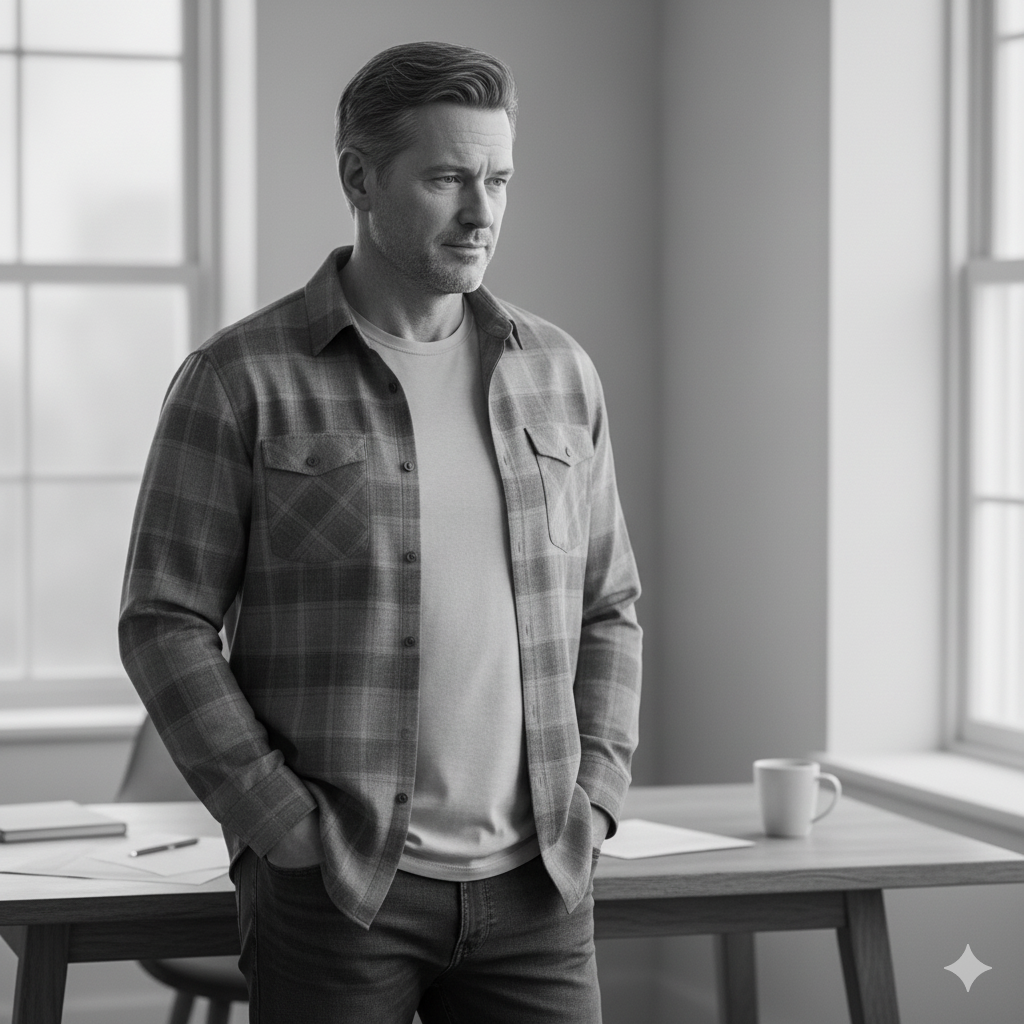
Celebration of the ‘Dad-Bod’
Many people assume that dieting and body image are women’s issues. But plenty of men suffer in silence under the heavy weight of body expectations, drastically taking measures to fit their own body into the ideals they see on the cover of fitness magazines. Men don’t have body image issues, do they?
Some studies show that 25% of individuals with anorexia and bulimia are men, as well as 36% of those that engage in binge eating. Those are significant numbers. Find this hard to believe? That’s exactly the problem; men don’t talk about poor body image, dysfunctional eating, and diseases like anorexia or bulimia nervosa because of the stigma that these are women’s problems.
You may argue that men aren’t as subjected to body shaming in the media as women. In fact, we may normalize some less than perfect male ideals, like the “dad bod” for example. In my experience, men simply don’t talk about feeling crushed by advertising images. Believe me, underneath the jokes or the stoic expressions, men are not immune to cultural messages that they should look a certain way: chiseled, fit and lean.
I’d like to remove the shame for a moment and talk about what I’ve noticed personally. Many of the men I see in my office don’t fit the criteria for anorexia nervosa. Typical symptoms would include refusing to maintain a healthy body weight, fear of gaining weight, or distortional thinking about the size or shape of their body. And yet, as we go about trying to unpack the reasons they believe they have an unhealthy weight, these men reveal many of the same attitudes that I see in women. They worry that their shape makes them unworthy of love and happiness. They believe that the muscular bodies in men’s health magazines are the norm. They’re ashamed about failing to live up to expectations of how a real man should look. In short, beliefs about weight are having a negative impact on their quality of life.
This silence also means that when a problem manifests, whether disordered eating, substance abuse as a result of poor self-esteem, or a more clinically recognizable eating disorder, it’s likely to go untreated. If weight is a concern for you, don’t be afraid to speak up and get help. It doesn’t make you weak. In fact, it shows great strength for taking such an actionable step.